

Coworking vs Traditional Office Culture: Which Is Better for Today’s Workforce?

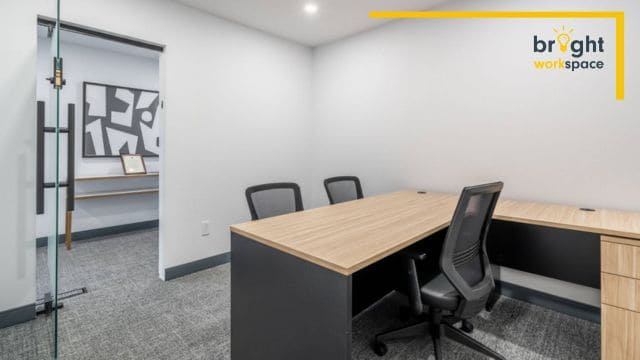
Want to find out if either Coworking vs Traditional Offices works best for you?
We’ve seen a massive evolution in how people approach work, especially here in Ontario. From St. Catharines to Hamilton and across the Greater Toronto Area, remote work and hybrid models have reshaped professional life. Traditional 9-to-5 routines inside corporate buildings and coffee shops for those remote folks, are get way to packed and tiring.
Why? It’s simple. People want flexibility, affordability, and a sense of community. With coworking spaces popping up in cities like Burlington, Grimsby, and Niagara Falls, it's no longer a niche solution, it’s a legitimate work culture model gaining ground fast.
In today’s workforce, priorities have shifted. Comfort, productivity, and personal autonomy matter more than ever. So when we talk about coworking vs traditional office culture, we’re comparing not just spaces, but mindsets. One is rooted in structure; the other in adaptability.
View our plans, to get started, or simply get in touch.
Find us on Instagram!
What Is Coworking?
Coworking spaces are shared work environments where individuals from different companies or fields work independently or collaboratively. Think of them as vibrant, flexible hubs for freelancers, startups, remote teams, and even larger corporations looking for satellite offices.
Here’s what we typically offer in coworking spaces across Ontario:
Hot desks: Flexible seating, no strings attached.
Dedicated desks: Your own workspace, every day.
Private offices & team rooms: For when privacy matters.
Meeting rooms & boardrooms: Fully equipped for professionalism.
Virtual mail services: A prestigious address without the overhead.
Virtual Office Spaces: These also offer co-working spaces.
Events & training rooms: Spaces designed for growth and collaboration.
Coworking isn't just about saving on rent, it's about accessing a lifestyle that matches modern work rhythms. We’ve noticed that people enjoy working around others without the formalities of a corporate environment. The energy is different. You walk into a coworking space, and there's buzz, motivation, and a shared sense of drive.
What Defines Traditional Office Culture?
According to Auxilion, Traditional offices follow a structured approach: assigned desks, office hierarchy, long-term leases, and fixed work hours. It’s what most of us grew up seeing—businesses leasing or buying office space for their teams, often for years at a time.
While this model brings a sense of stability and routine, it also comes with its share of downsides:
High overhead costs
Limited flexibility
Long commutes
Rigid work hours
Less cross-industry interaction
We’re not saying it’s all bad. Some industries still rely heavily on traditional settings—like law firms or financial institutions. However, the question we often ask ourselves and our clients is: Does the space serve the people, or do people serve the space?
In today’s world, that’s a vital distinction.
Comparing Costs: Coworking vs Traditional Office Culture
Let’s talk numbers, because when it comes to workspace decisions, cost matters—a lot.
Traditional office setups typically include:
Rent or mortgage
Utilities (internet, water, heating)
Office furniture and equipment
Cleaning and maintenance services
Front-desk staff or receptionists
Insurance and other overheads
Compare that to coworking:
All-inclusive pricing
Flexible monthly terms
No maintenance or utility hassles
Shared services and amenities
Pay for only what you use
In Grimsby, Burlington, and Niagara Falls, small businesses often struggle with long-term leases. That’s where coworking shines. It allows professionals to scale up or down with zero penalties. Our clients often start with hot desks and move into private team rooms as they grow, something almost impossible in a traditional lease agreement.
Flexibility and Freedom: A Key Factor for Today’s Workforce
Freedom is the future. The rigid 9-to-5 schedule is fading. In its place, flexibility has emerged as a top demand, especially for Gen Z and Millennials entering the workforce.
Coworking spaces deliver that flexibility in spades:
Come and go as you please
Choose your desk or office size
Rent by the hour, day, or month
Move across locations easily
Switch between open spaces and private zones
We’ve designed our coworking model around how people actually work today. Some of our members are morning birds, others are night owls. Some want a lively atmosphere; others need quiet corners. Our spaces in Hamilton, St. Catharines, and Lincoln reflect all of that.
Traditional offices just don’t allow that kind of freedom. Once you're in, you're committed to a lease, tied to a desk, and bound by fixed hours. That’s not how innovation works—and we know it.
Work-Life Balance in Coworking Spaces vs Traditional Offices
Work-life balance isn’t a luxury anymore—it’s a necessity. People don’t want to burn out commuting 3 hours a day, only to sit in a cubicle where creativity goes to die.
Coworking helps fix that.
By offering spaces close to home, like in the Greater Toronto Area and Durham Region, coworking cuts down commute times and encourages people to spend more time with family or on passion projects. You’re working smarter, not longer.
In contrast, traditional office culture often leads to:
Long hours at the office
Commutes during rush hour
Less flexibility to manage personal time
Stricter policies on working hours or breaks
With coworking, we’re seeing a healthier shift. People feel more refreshed, more focused, and more satisfied with their day-to-day lives.
Productivity Levels: Which One Wins Out?
You’d think more freedom might lead to distraction, right? Actually, the opposite is true. We’ve seen firsthand that coworking boosts productivity—because it removes the stressors that come with traditional office setups.
Here’s why coworking wins:
No office politics
Quiet zones for focused work
Collaboration spaces for teamwork
On-site amenities that save time
Natural light and ergonomic furniture
In our spaces across Ontario, we constantly hear from members who say they “get more done in 4 hours here than 8 hours in their old office.” It’s because we’ve built workspaces around people—not policies.
Community and Networking Opportunities
Let’s face it—working from home or a traditional office can feel isolating. Coworking solves that by building community.
We regularly host:
Networking events
Workshops and training sessions
Casual meetups
Collaboration opportunities
You’re surrounded by creatives, marketers, developers, coaches, and more. It's like an ecosystem of ideas just waiting to happen.
This kind of organic networking doesn’t happen in traditional offices. There, your “network” is usually limited to your team or department. In coworking? The possibilities are endless.
Privacy and Focused Work: Where Each Model Stands
We know what you’re thinking—can you actually focus in a coworking space?
Absolutely. And we’ve made sure of it.
We offer:
Private offices
Soundproof meeting rooms
Phone booths for calls
Quiet zones for deep work
The old myth that coworking means chaos? It’s just that—a myth. We balance energy and privacy, so everyone has the space they need to do their best work.
Traditional offices do offer privacy, but often at the cost of creativity and collaboration. We believe the future of work is about blending the best of both worlds.
Access to Amenities and Services
Let’s talk about what you get when you walk into a modern coworking space. Spoiler: it’s a lot more than just a chair and a desk.
At our coworking locations across Ontario—from Burlington to Lincoln—we provide amenities that rival (and often exceed) what traditional offices offer:
High-speed Wi-Fi
Fully equipped kitchens
Free coffee and tea
Printing and scanning stations
Event and training rooms
Virtual mailbox services
Boardrooms with AV setups
Lounge and break areas
Why does this matter? Because when everything you need is under one roof, you spend less time worrying and more time doing what matters. You’re not chasing down printer issues or calling IT support. We’ve taken care of it.
Traditional offices require you to handle all of this on your own—or spend extra hiring vendors to manage it. In coworking spaces, all of it is baked into your membership.
Remote Teams and Hybrid Work Models
The hybrid workforce is here to stay. And coworking spaces are the perfect match for it.
Traditional offices aren’t built for hybrid setups. You're either in or out. Meanwhile, coworking gives remote and hybrid teams the flexibility to meet, collaborate, and operate on-demand.
Here’s how we support hybrid teams:
Drop-in desks for team members visiting from other cities
Meeting rooms for monthly or weekly strategy sessions
Private team rooms for local departments
Day passes and part-time memberships
Virtual mail address and receptionist services
In places like Grimsby, Hamilton, and St. Catharines, we’ve seen tech startups and consulting firms using coworking to maintain a presence without the weight of a full lease. It keeps operations lean, nimble, and cost-efficient.
Coworking Near Me in Ontario: The Rise of Local Workspaces
When you search for “coworking near me,” you’re not just looking for proximity. You’re looking for a place that fits your life, your goals, and your vibe.
That’s why we’ve built spaces across key locations in Ontario—Hamilton, Niagara Falls, Lincoln, Burlington, and more. We wanted to be close to where people actually live and work.
Coworking shouldn’t require a commute to downtown Toronto. That’s the old way. Our locations offer professional, modern, and welcoming spaces in your neighborhood.
Whether you need a private office or just a reliable hot desk twice a week, we’ve designed our model to fit the local lifestyle. No long leases. No hidden fees. Just a space that works when you need it.
Industries Benefiting Most from Coworking
Coworking spaces aren’t just for freelancers and startups anymore. We’ve seen growth across multiple sectors:
Marketing & Creative Agencies
Legal and Accounting Professionals
Health & Wellness Coaches
Remote Tech Teams
Nonprofits and Advocacy Groups
Education and Training Providers
Each of these industries has different needs—and coworking can meet them all. Whether it's access to secure internet for financial services or private spaces for confidential client meetings, we’ve got it covered.
And unlike traditional offices, coworking lets these industries stay flexible, expand, and contract as needed without financial strain.
Environmental Impact: Sustainable Workspace Choices
Choosing coworking isn't just good for business—it’s better for the planet.
Traditional offices often waste energy, water, and space. Think: underused rooms, unused desks, and paper-based operations. Coworking flips that model:
Shared resources reduce waste
Efficient use of utilities
Eco-friendly designs and furnishings
Digital-first setups
Reduced commute due to local workspaces
By consolidating resources into a shared space, we significantly reduce our carbon footprint. It’s a model designed for smart growth—both economically and environmentally.
In Ontario, more professionals are looking for sustainable choices. Coworking fits the bill.
Security and Professionalism: How They Compare
One myth we still hear: coworking isn’t “professional” enough.
Let’s clear that up.
Our coworking locations include:
Secure building access
24/7 video surveillance
Private locked offices
High-speed secured internet
Professional reception and signage
On-site staff and support
When clients walk into our spaces, they see polished interiors, functional meeting rooms, and a buzzing yet organized atmosphere. You can bring in partners, host interviews, and run your operations without missing a beat.
Traditional offices may offer control—but they come at a steep cost. With coworking, you get the same professional standards, without being locked into long-term expenses.
How We Support Today’s Professionals Across Ontario
We’re passionate about empowering professionals across Ontario—from Hamilton to Burlington, Niagara Falls to St. Catharines. That’s why we’ve built our coworking model around real needs.
Whether you're an entrepreneur, a startup, or part of a larger remote team, our services include:
Private offices for growing teams
Coworking desks for solo professionals
Meeting rooms for collaborations
Virtual mail for remote businesses
Training rooms for workshops and sessions
Hot desks for drop-in productivity
We’re here to help you grow without the limitations of traditional office culture. With locations across the GTA and Durham Region, we offer convenience, community, and cost-efficiency.
We’re not just providing a desk—we’re building the future of workspaces across Ontario.
Conclusion
The debate between coworking vs traditional office culture is no longer hypothetical—it’s playing out in real time. And from what we’ve seen across Ontario, coworking is winning hearts, minds, and spreadsheets.
Today’s professionals want more than just a place to sit. They want flexibility, affordability, community, and access to top-tier amenities. Coworking delivers that—and so much more.
If you're still stuck in a traditional office setup, it might be time to rethink what work could look like.
Bright Workspace delivers flexible coworking solutions across Ontario with trusted, modern, and professional environments, backed by experience and a commitment to empowering local professionals.
FAQs
1. What are the biggest differences between coworking and traditional offices?
Coworking offers flexible, cost-effective, shared spaces, while traditional offices involve long-term leases and fixed overheads. The culture in coworking is more collaborative and dynamic.
2. Is coworking a good fit for larger companies?
Absolutely. Many large businesses now use coworking for satellite offices or hybrid teams. We offer private offices and meeting rooms designed to support teams of any size.
3. How do coworking spaces handle privacy and security?
Our locations use secure access systems, surveillance, and private offices. We ensure that data, conversations, and team operations remain confidential and protected.
4. Can I use coworking spaces part-time?
Yes! We offer hot desks, daily passes, and flexible memberships so you can use the space as often or as little as needed.
5. How do I find coworking near me in Ontario?
Visit BrightWorkspace.com to explore coworking spaces in Grimsby, Hamilton, Burlington, Lincoln, Niagara Falls, and more.